Unlocking Creative Expression with the Justkidy Handwritten Font
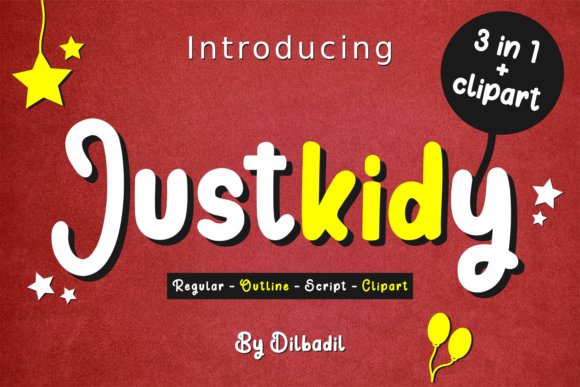
In the vast landscape of digital typography, finding a typeface that balances whimsy with legibility is often a challenge for designers and content creators alike. The demand for fonts that convey warmth, approachability, and a personal touch has surged as social media platforms and DIY culture continue to dominate visual communication. Among the myriad options available, Justkidy stands out as a distinctive choice. This fun and sweet paint-brushed handwritten font offers a unique aesthetic that bridges the gap between casual scribbles and polished calligraphy. Whether you are curating an Instagram feed or designing labels for handmade goods, understanding how to effectively utilize this typeface can elevate your creative projects from ordinary to extraordinary.
The Aesthetic Appeal of Paint-Brushed Typography
The visual language of handwriting carries an inherent emotional weight. Unlike rigid sans-serif or traditional serif fonts, handwritten styles mimic the organic flow of human movement. Justkidy captures this essence through its paint-brushed texture, which adds depth and character to every letterform. The uneven strokes and slight variations in line weight create a sense of authenticity that resonates with audiences seeking genuine connections. This is not merely a stylistic preference; it is a psychological tool. When viewers encounter text that looks hand-crafted, they subconsciously associate the message with care, effort, and personal attention.
For professionals in branding and marketing, this distinction is crucial. In a digital world saturated with sterile, corporate aesthetics, a font like Justkidy can serve as a powerful differentiator. It softens the tone of communication, making brands appear more accessible and friendly. However, the utility of this font extends beyond mere appearance. Its design ensures that while it feels spontaneous, it remains readable. This balance is essential for maintaining user engagement, particularly on small screens where clarity is paramount.
Strategic Applications in Social Media Content
Social media platforms, particularly Instagram and Pinterest, rely heavily on visual storytelling. Users scroll rapidly through feeds, stopping only for content that catches their eye. Here, typography plays a pivotal role. Justkidy is exceptionally well-suited for these environments due to its playful nature and high visibility. When used in quote graphics, event announcements, or product highlights, the font draws attention without overwhelming the accompanying imagery.
- Quote Graphics: Inspirational or humorous quotes gain additional impact when presented in a handwritten style. The personal touch of Justkidy makes the words feel like advice from a friend rather than a generic statement.
- Story Highlights: Cover images for Instagram stories benefit from short, punchy text. The sweet curves of this font make titles inviting and easy to read at a glance.
- Promotional Posts: For limited-time offers or flash sales, using a dynamic font can create a sense of urgency and excitement that standard fonts may lack.
Creators should note that consistency is key. While Justkidy is versatile, it works best when paired with clean, minimal backgrounds. Cluttered designs can diminish the legibility of handwritten fonts. By allowing the text to breathe, you ensure that the unique characteristics of the paint-brushed style remain the focal point.
Elevating DIY Projects and Physical Crafts
Beyond the digital realm, Justkidy finds a natural home in the world of do-it-yourself crafts. The rise of maker culture has led to an increased demand for personalized items, from wedding invitations to custom packaging. Calligraphy scripts are often intimidating for beginners, requiring hours of practice to master. Digital fonts offer a practical alternative, providing the look of hand-lettering with the precision of digital tools.
Consider the application of this font in printable art. Parents and educators can use Justkidy to create engaging classroom decorations, name tags, or reward charts. The friendly appearance of the letters makes learning materials more appealing to children. Similarly, hobbyists creating scrapbooks or greeting cards can integrate this font into their digital designs before printing, adding a professional yet personal flair to their handmade gifts.
For small business owners selling physical products, packaging is a critical touchpoint. Using Justkidy on thank-you notes, product labels, or sticker designs can enhance the unboxing experience. It signals to the customer that the item was prepared with care, fostering brand loyalty and encouraging social sharing. The font’s ability to mimic the imperfections of real brushstrokes adds a layer of artisanal quality that mass-produced labels often lack.
Best Practices for Pairing and Layout
To maximize the effectiveness of Justkidy, it is essential to understand how it interacts with other design elements. Handwritten fonts should rarely stand alone in long-form text. Instead, they function best as display typefaces for headlines, titles, and short phrases. Pairing them with simple, neutral sans-serif fonts creates a harmonious contrast that guides the reader’s eye.
- Hierarchy: Use Justkidy for primary headings to establish tone, while relying on a clean sans-serif for body copy to ensure readability.
- Spacing: Handwritten fonts often require adjusted kerning and line height. Ensure there is adequate space between lines to prevent the brush strokes from overlapping visually.
- Color Choice: While black is standard, experimenting with soft pastels or bold primary colors can enhance the playful nature of the font. Avoid low-contrast combinations that might obscure the delicate details of the brush texture.
Designers should also consider the context of the medium. On printed materials, higher resolution files are necessary to preserve the texture of the brush strokes. For web use, optimizing file sizes ensures fast loading times without sacrificing quality. Testing the font across different devices and screen sizes is a crucial step in the workflow to guarantee consistent performance.
Navigating Licensing and Professional Use
When incorporating any typeface into commercial projects, understanding licensing terms is non-negotiable. Justkidy is designed to be accessible for a wide range of users, but professionals must verify the specific license agreement associated with their download. Personal use typically allows for unrestricted creativity in non-commercial contexts, such as home decor or personal social media accounts. However, commercial use, which includes client work, product packaging, and advertising, often requires a separate license.
Respecting intellectual property rights supports the creators who develop these tools. By obtaining the appropriate license, businesses ensure legal compliance and contribute to the sustainability of the design community. Many font foundries offer clear guidelines on their websites, detailing what is permitted under personal versus commercial licenses. Taking the time to review these documents prevents potential legal issues and fosters ethical design practices.
The Future of Handwritten Digital Typography
The trend toward authentic, human-centric design shows no signs of slowing down. As artificial intelligence and automation become more prevalent in content creation, the value of elements that feel distinctly human increases. Fonts like Justkidy represent a counter-movement to sterile perfection, celebrating the beauty of irregularity and expression. This shift is not just a fleeting trend but a reflection of broader cultural desires for connection and authenticity.
For educators, researchers, and creators, staying attuned to these typographic trends is vital. Understanding when and how to deploy a font like Justkidy can significantly impact the reception of your message. It is not merely about choosing a pretty font; it is about selecting the right tool to convey emotion, build trust, and engage audiences on a deeper level. As technology evolves, the integration of such expressive typefaces into digital workflows will continue to expand, offering new opportunities for creative innovation.
In conclusion, the versatility and charm of Justkidy make it a valuable asset in any designer’s toolkit. From enhancing social media engagement to adding a personal touch to DIY crafts, its applications are diverse and impactful. By following best practices for pairing, layout, and licensing, users can harness the full potential of this paint-brushed handwritten font. Embracing the unique character of Justkidy allows creators to transform simple ideas into true pieces of art, resonating with audiences in a meaningful and memorable way.